Hiring vehicles and drivers in the UK
Private Hire or Taxi: What Is the Difference?
7 November 2026
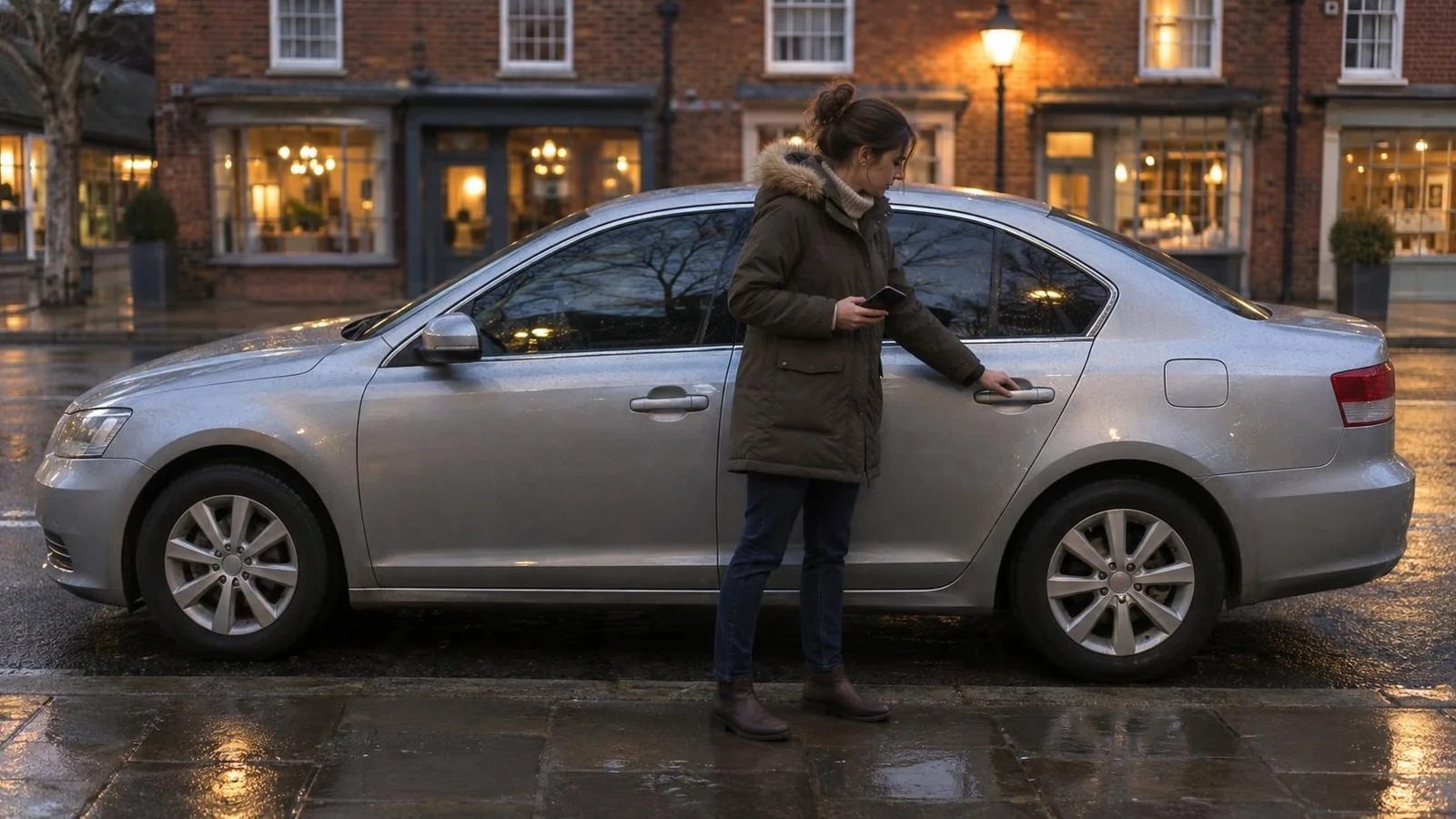
Private hire or taxi: what is the difference? A taxi can be hailed in the street or taken from a rank, while a private hire car must be booked first through a licensed operator. That one rule shapes how you book, what you pay and whether you’re insured, so it’s worth knowing whether you’re in London, Manchester, Glasgow, Birmingham or Cardiff.
Quick answer: In most of the UK, taxis (also called hackney carriages) can be hailed in the street or at ranks and usually run on a meter. Private hire vehicles must be pre-booked through a licensed operator and can’t pick up street hails. Both are licensed, but the rules on booking and fares differ.
Key Takeaways
Taxis can be hailed or booked, while private hire vehicles must be pre-booked.
Taxi fares are usually metered, with a maximum set by the licensing authority. Private hire fares are set by the firm.
In England, drivers of both are meant to face the same core background checks.
An unbooked private hire journey is illegal and may leave you uninsured.
Only taxis can use ranks and carry a roof sign.
Private Hire or Taxi: What Is the Difference in the UK?
Defining Taxis: The Meaning of Hackney Carriage
In law, a taxi is usually called a hackney carriage. Taxis are licensed by local councils, such as Manchester City Council or the City of Edinburgh Council, and by Transport for London (TfL) in the capital. They can pick up passengers from the street or a rank without a prior booking, within the area they’re licensed for. Taxis carry a roof sign and a licence plate, and most run on a meter. Only taxis are allowed to accept street hails.
What Is a Private Hire Taxi? Understanding the Terminology
The phrase "private hire taxi" is common, but private hire vehicles are a separate category. They include minicabs, executive cars, chauffeur services and limousines, as our guide to how chauffeur hire works explains. They must be booked through a licensed operator and can’t be hailed from the street or taken from a taxi rank. They shouldn’t show the word "taxi" or "cab".
In short, the answer comes down to how you book and how the vehicle is licensed. Only a taxi can take you without a booking.
Booking Methods, Fares and Service Differences
How to Book: Hailing, Ranks and Pre-Booking
Booking is the main distinction. You can wave down a taxi or join the queue at a rank, usually found at stations and in town centres. Private hire vehicles must be booked first, usually by phone, app or website. Private hire drivers can never pick up street hails. Booking means there’s a record of the journey and the driver, which protects you.
Taxi Service Differences: Fares and Payments
Taxi fares usually run on a meter. In England, licensing authorities can set maximum fares and most do, while Scottish councils fix the fare scales for taxis. The tariff is a maximum, so you can agree a lower fare with the driver. No authority sets private hire fares, so each firm sets its own. In London, a private hire driver must give you an accurate fare estimate before the journey unless a fixed fare was agreed. Wherever you are, confirm the price before you set off. That’s especially true for airport transfers, where parking and drop-off charges can be added.
Examples Across the United Kingdom
In London, black cabs can be hailed from the street, while minicabs must be booked through a TfL-licensed operator. Manchester, Cardiff and Birmingham follow the same basic split, though the details are set by each council.
Scotland and Northern Ireland
Scotland has its own law, the Civic Government (Scotland) Act 1982. The split is the same in practice, as taxis can be hailed while private hire cars must be pre-booked. Northern Ireland works differently. It has four taxi classes, A to D, and Class C taxis can only be pre-booked and can’t use ranks. Nidirect explains each class.
Licensing, Standards and Insurance
Licensing Standards for Taxis and Private Hire
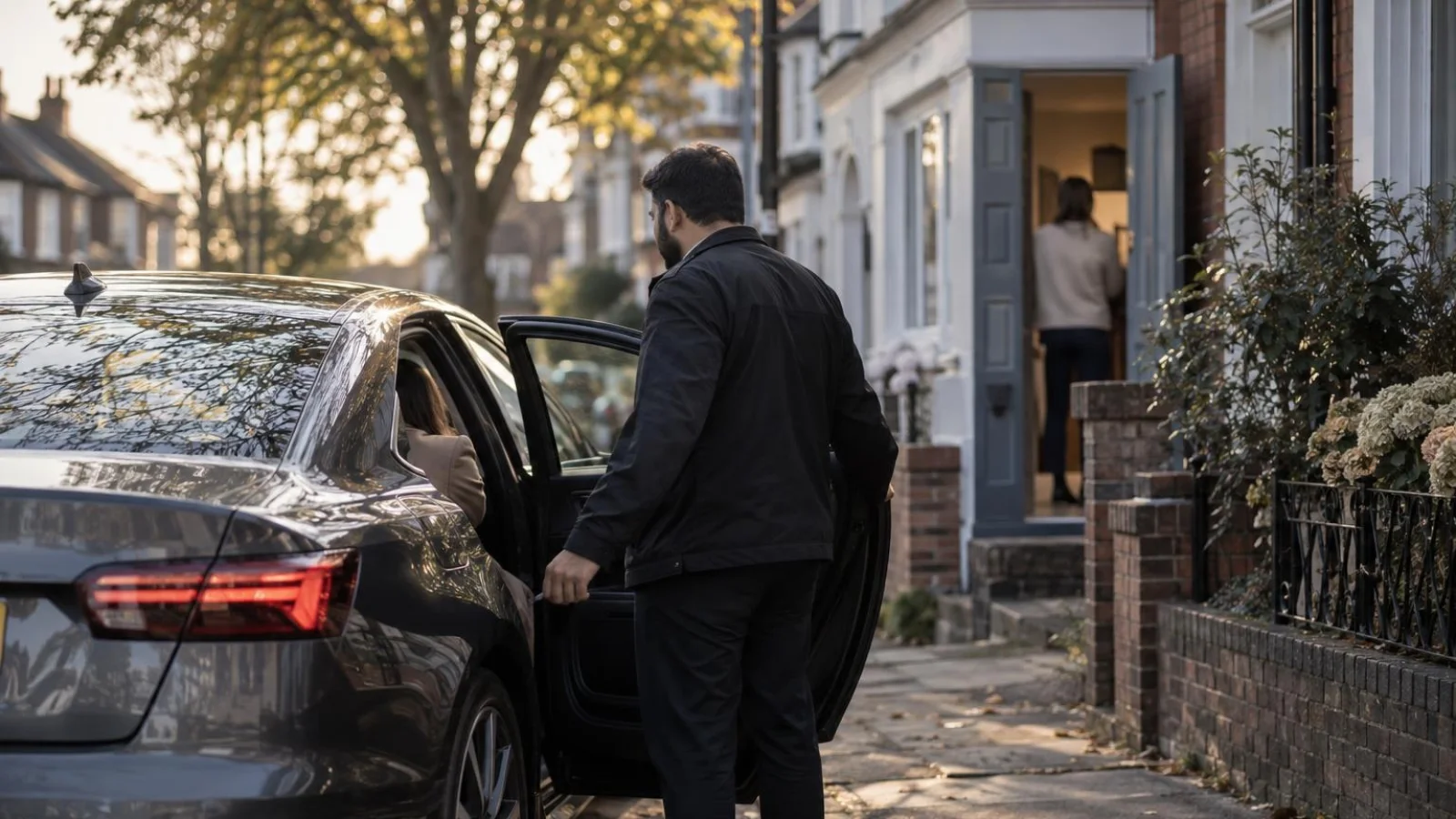
GOV.UK explains driver licensing: you apply to the licensing authority where you plan to work, which is the local council, or TfL in London. The safety checks are not meant to be lighter for private hire. The Department for Transport’s statutory standards tell authorities in England to carry out enhanced DBS and barred list checks on both types of driver, and to repeat them every six months. Its best practice guidance says authorities should apply the Group 2 medical standard.
Vehicles and Operators
All taxis, and private hire vehicles that are at least three years old, must have an MOT or equivalent test at least once a year. Private hire adds a third licence. The operator (the firm you book through) must be licensed, and the driver, vehicle and operator must all be licensed by the same authority. In London, all black cabs are wheelchair accessible. Elsewhere, wheelchair access varies by area, so ask when you book.
Insurance: What Protects Passengers?
Both need specialist insurance to carry paying passengers. A taxi’s cover includes passengers who hail it in the street. A private hire vehicle is meant to carry pre-booked journeys only, and TfL warns that unbooked minicabs are illegal and uninsured for passengers. Always book through a licensed operator rather than accepting a ride on the spot.
Feature | Taxi (Hackney Carriage) | Private Hire Vehicle |
|---|---|---|
Booking Method | Hailed, rank or pre-booked | Pre-booked only |
Fares | Usually metered, maximum set by the licensing authority | Set by the firm, quoted before you travel |
Street Pickup | Yes, in its licensed area | No |
Vehicle Signs | Roof sign and licence plate | Licence plate or disc, no roof sign |
Regulator | Local council, or TfL in London | Local council, or TfL in London |
Common Issues and How to Protect Yourself
Illegal Pickups and Unlicensed Drivers
The most serious problem is getting into an unlicensed vehicle, or a licensed private hire car that hasn’t been booked. In London, a private hire driver who takes an unbooked fare commits an offence and can lose their licence. The journey isn’t logged by an operator, which removes your main protection, especially late at night.
Overcharging, Complaints and Fare Disputes
If you think a taxi has overcharged you, ask for a receipt and contact the licensing authority. For private hire, contact the operator first and then the licensing authority. For a wider consumer problem, the Citizens Advice consumer service can give advice and pass complaints to Trading Standards.
Recognising Licensed Vehicles and Operators
Taxis show a roof sign and a licence plate. Private hire vehicles usually show a licence plate or disc, and in London they must display licence discs on the front and rear windscreens. Drivers should carry official ID, and London drivers must wear theirs. A "pre-booked" sticker alone doesn’t prove a car is licensed. In London you can check a driver, vehicle or operator on the TfL licence checker. Everywhere else, the council’s licensing team is the place to ask.
Making the Right Choice: Private Hire vs Taxi
Which Service Is Right for Your Needs?
For a spontaneous journey in a town or city centre, a taxi is often the most convenient. If you’d rather plan ahead, need a specific vehicle or want the price agreed first, a private hire vehicle may suit you better. It can work well for group bookings and longer journeys. If you plan to drive yourself instead, see what you need to bring to hire a van.
How to Find a Licensed Local Firm
Start with your council’s licensing pages or a reputable booking app, and ask any firm which authority licenses it. If you can’t get a clear answer, try another firm.
About The Hire Handbook
The Hire Handbook is an independent publication for anyone hiring a vehicle or a driver in the UK. We don’t operate vehicles or take bookings, so our only aim is to explain the rules clearly.
If you have a question, get in touch with our team.
There is more advice on our blog.
Frequently Asked Questions
What is the difference between private hire and taxi in the UK?
Taxis can pick up passengers from the street or taxi ranks and usually use a meter, while private hire vehicles must be pre-booked through a licensed operator and can’t accept street hails. Northern Ireland has its own system of taxi classes.
Can private hire drivers pick up street hails?
No. Private hire drivers can’t pick up passengers from the street or from taxi ranks. Private hire journeys must be booked in advance through a licensed operator.
Are private hire drivers regulated?
Yes. Private hire drivers, vehicles and operators are licensed by local councils, or by TfL in London.
What are the differences in taxi fares compared to private hire?
Taxi fares are usually metered, up to a maximum set by the licensing authority. Private hire fares are set by each firm, so confirm the price before you travel.
How can I check if my driver or vehicle is licensed?
Look for the licence plate or disc and the driver’s official ID. In London, use the TfL licence checker. Elsewhere, ask the council’s licensing team.
Our UK hire checklist pulls these checks together, so you can run through them before your next booking.